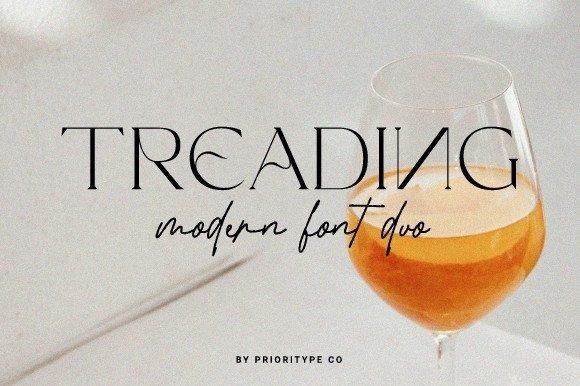
Treading: A Font for Creative Campaigns
It’s 9 PM on a Thursday, and I’m finalizing the visuals for a seasonal sale campaign. The client wants something fresh, something that feels personal but still professional. I’ve been using Treading in the background of my design process, and it’s proving to be a game-changer. As a marketing designer, I know how critical typography is in shaping the tone and impact of a campaign.
The Visual Style of Treading
Treading is a minimal and clean serif font with a handwritten script companion. The serif version has a refined, elegant feel, while the script adds a touch of warmth and individuality. Together, they create a dynamic contrast that works well for branding, logos, and visual storytelling. The font pairings are designed to complement each other, making it easy to mix and match for different design needs.
What stands out about Treading is its versatility. It can transition smoothly from a high-end logo to a social media post without losing its character. The subtle details in the script font make it feel authentic, as if someone wrote it by hand, which adds a human element to digital campaigns.
Real-World Application in Social Media Graphics
I recently used Treading for an Instagram content series promoting a new online course. The font worked beautifully on both the main post and the reel covers. On mobile screens, the script font retained clarity, even at smaller sizes. For thumbnails, the serif version provided a strong visual anchor, while the script added a sense of approachability.
When designing a YouTube thumbnail, I paired the script with a bold sans serif for the headline. The combination was striking and helped the video stand out in a crowded feed. Treading’s legibility on dark backgrounds made it ideal for the thumbnail’s overlay text, ensuring the message came through clearly even when viewed on a phone screen.
Campaign Consistency and Brand Recognition
Consistency is key in any brand campaign, and Treading helps maintain that across multiple platforms. Whether it’s a landing page header, an email banner, or a Pinterest pin, the font keeps the visual identity cohesive. This is especially important when working on multi-channel campaigns where the same message needs to resonate across different formats.
Using Treading in a branded template pack allowed me to quickly apply the same typography to various assets, saving time and ensuring a unified look. The font’s personality also helped reinforce the brand’s voice—soft yet confident, modern yet timeless.
Readability and Design Considerations
One of the first things I check when using a new font is its readability. Treading performs well on mobile screens and small previews, making it suitable for social media posts and ad banners. However, it’s not ideal for long blocks of text or dense information. If the goal is to convey a lot of data, a more traditional serif or sans serif might be better suited.
For headlines, callouts, and decorative titles, Treading shines. Its clean lines and natural flow make it perfect for short phrases, such as “Limited Time Offer” or “Join the Movement.” When paired with a complementary font, like a clean sans serif, it creates a balanced and visually appealing layout.
Practical Pairing and Font Usage
Font pairing is crucial for effective design. I often use Treading alongside a modern sans serif like Montserrat or Open Sans. This combination gives the design a clean, professional edge while allowing the script font to stand out as a focal point. For editorial designs or packaging, pairing Treading with another serif font like Playfair Display can add depth and sophistication.
It’s also worth noting that Treading includes alternates, ligatures, and multiple weights, which give designers more control over the final look. These features help tailor the font to specific design needs, whether it’s a logo, a quote graphic, or a webinar banner.
Before integrating Treading into a campaign, I always check the file formats, multilingual support, and licensing terms. Ensuring that the font is properly licensed for commercial use is essential, especially when working on client projects or digital products.