Snicket: A Whimsical Serif for Web Design
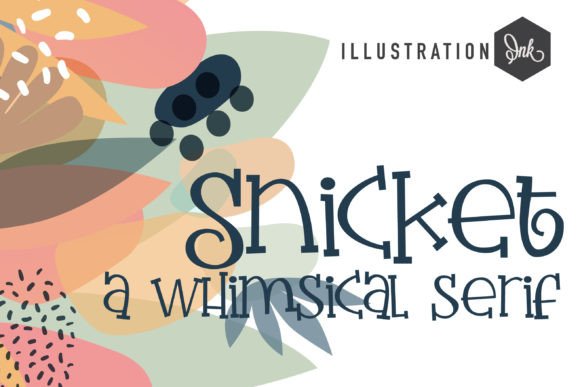
Snicket is a simple hand-written font that brings a whimsical touch to any digital project. As a serif typeface, it offers a classic structure with a playful twist, making it ideal for designs that need a youthful and dynamic feel. Its lack of descenders gives it a clean, modern look while maintaining the warmth of traditional typography.
For web designers and UI creators, Snicket provides a unique way to add personality to headers, buttons, and decorative elements without overwhelming the user. Its visual appeal makes it a strong choice for projects that aim to stand out while maintaining readability across different screen sizes and backgrounds.
Using Snicket in Digital Layouts
When used in website headers or hero sections, Snicket adds an energetic and approachable tone. It works well for landing pages that target creative audiences, such as art collectives, boutique online stores, or educational platforms. The font’s subtle imperfections give it a handmade quality, which can enhance the authenticity of a brand.
In call-to-action areas, Snicket can draw attention without being distracting. It pairs well with simpler sans serif fonts for body copy, creating a balanced visual hierarchy. For example, a coaching website might use Snicket for its main headline and a clean sans serif for the supporting text, ensuring clarity while maintaining a friendly brand voice.
Snicket and Visual Hierarchy
Snicket’s design helps guide users through content by emphasizing key elements. Its distinct shape and rhythm make it suitable for section headings, product titles, or social media graphics. When used sparingly, it can create a strong focal point that enhances scanning behavior and improves user engagement.
On mobile screens, Snicket remains legible at larger sizes, making it a good option for buttons or banners. However, it’s best avoided for long paragraphs due to its decorative nature. Instead, it shines when used for short phrases, logos, or as a decorative accent in a broader typographic system.
Snicket in Branding and Web Identity
For brands looking to establish a consistent online identity, Snicket can serve as a signature typeface. It works well in logo design, especially for businesses that want to convey creativity, innovation, or a personal touch. Pairing it with a neutral sans serif can create a polished yet expressive look that resonates with modern audiences.
In editorial design, Snicket adds character to headlines and subheadings, making it a valuable tool for blogs, magazines, or course sales pages. Its ability to blend tradition with modernity allows it to fit into both contemporary and nostalgic design themes.
Readability and Responsive Design
When using Snicket on dark backgrounds, ensure there is enough contrast to maintain legibility. On light backgrounds, it remains clear and easy to read, especially at larger sizes. For image overlays, consider using a semi-transparent background or adjusting the font color to ensure visibility.
In responsive layouts, Snicket scales well but should be used with care on smaller screens. Avoid using it for body text or lengthy content, as its decorative style may reduce readability. Instead, focus on using it for headings, buttons, and other prominent design elements.
Font Pairing and Typographic Balance
Pairing Snicket with a simple sans serif font creates a harmonious balance between style and functionality. This combination works well for websites that require both visual interest and clear communication. For a more editorial feel, pair it with another serif font to create a cohesive and sophisticated look.
When working with other display fonts, such as script or decorative styles, use Snicket as a complementary element rather than a primary text face. This ensures that the overall design remains organized and easy to navigate.
Commercial Use and Licensing
Before integrating Snicket into a website, landing page, or digital template, check the commercial licensing terms. Most premium fonts allow for web use, but it’s important to confirm that the license covers all intended applications, including client projects and online stores.
For designers who work on multiple projects, having access to a variety of weights and file formats ensures flexibility. Snicket’s availability in webfont formats like WOFF and WOFF2 makes it easy to implement across different platforms and devices.
Snicket in Creative Projects
Snicket is particularly effective in creative portfolios where the goal is to showcase individuality and artistic flair. Its handwritten appearance adds a personal touch that can set a designer’s work apart from more rigid, traditional typography.
For online stores, Snicket can elevate product titles and promotional banners, making them more engaging and memorable. In course sales pages, it helps reinforce the brand’s tone and attract potential students looking for a visually appealing learning experience.
Whether used in a blog header, a social media graphic, or a branded web asset, Snicket offers a versatile solution for designers seeking to add character without compromising usability. Its ability to blend elegance with playfulness makes it a valuable addition to any digital toolkit.
Conclusion
Snicket is a versatile serif font that brings a unique energy to web design. Its hand-written style and whimsical charm make it ideal for projects that require a youthful, dynamic presence. By focusing on its strengths in visual hierarchy, branding, and layout rhythm, designers can effectively integrate Snicket into their digital work while maintaining clarity and professionalism.