Harlon Font: Elegant & Professional
As a small business owner, choosing the right font can make a big difference in how your brand is perceived. Harlon, a versatile serif font, offers a timeless look that works well across multiple business materials. Whether you're designing a logo, creating social media graphics, or working on packaging, Harlon brings a level of sophistication that helps your brand stand out.
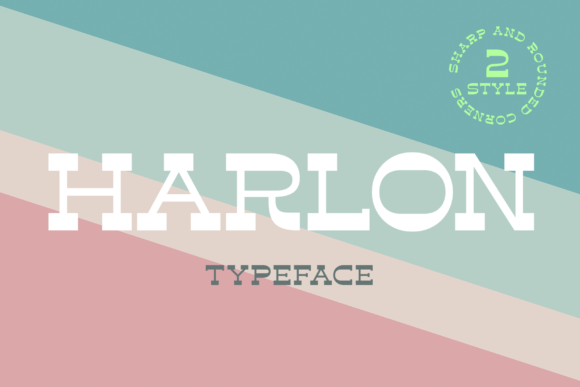
Harlon features two heading styles—sharp corners and rounded corners—giving you flexibility depending on the tone you want to convey. The sharp version adds a modern edge, while the rounded style feels more approachable and friendly. Both options maintain the classic structure of a serif font, making them ideal for headings, titles, and display purposes.
Harlon in Real Business Materials
From logos to product labels, Harlon can be used in a variety of business applications. For example, if you run a boutique or an online shop, using Harlon as your primary heading font can help create a cohesive visual identity. It works especially well with other design elements like color schemes, images, and layout structures to build a strong brand presence.
Imagine using Harlon for a bakery's logo. The font’s clean lines and elegant curves would give the brand a refined yet welcoming feel. Similarly, for handmade candle labels, Harlon could add a touch of class that aligns with the premium nature of the product. In both cases, the font helps reinforce the brand’s personality and values.
For café menus or service-based businesses, Harlon can serve as a headline font that draws attention without being overwhelming. It pairs well with simpler body fonts, allowing you to maintain readability while still keeping your design visually appealing. This balance is key when creating materials that need to be both functional and aesthetically pleasing.
When to Use Harlon
Harlon is best suited for display purposes, such as headlines, logos, and branding elements. It's not typically recommended for long blocks of text due to its decorative nature. However, when used strategically, it can elevate the overall look of your brand materials.
Consider using Harlon as your main logo font if you want to project professionalism and reliability. For product packaging, it can be used for the brand name or tagline, adding a sense of quality and craftsmanship. On social media posts, Harlon can catch the eye and help your content stand out in a crowded feed.
If you're designing a website banner or a digital ad, Harlon can be a great choice for the main title. Its legibility at larger sizes makes it ideal for these types of visuals. Just be sure to pair it with a complementary font for body text to ensure readability across different devices and screen sizes.
Readability and Practical Use
While Harlon is a decorative font, it maintains good legibility in most business settings. For small labels, such as those on product tags or packaging, it works well when used in a larger size. On mobile screens, it's best to avoid using Harlon for extended text but keep it as a highlight or accent.
When testing Harlon for your brand, try using it in different sizes and contexts. Create a sample logo, a mock-up of a product label, and a social media post to see how it looks in real-world situations. This will help you determine if it fits your brand’s style and messaging.
Keep in mind that the font’s PUA encoding means it's widely compatible across different design software and platforms. This makes it easier to use in various projects without worrying about licensing issues.
Font Pairing Tips
To get the most out of Harlon, consider pairing it with other fonts that complement its style. For instance, combining Harlon with a clean sans serif font can create a balanced look that’s both modern and professional. This pairing works well for websites, brochures, and marketing materials where clarity is important.
If you're going for a more creative or artistic vibe, pairing Harlon with a script or handwritten font can add a personal touch. This combination is great for brands that want to emphasize authenticity, such as handmade product sellers or independent designers.
For a more traditional feel, pairing Harlon with another serif font can create a cohesive and elegant design. This is often seen in industries like publishing, luxury goods, and high-end retail where a classic look is preferred.
Commercial Licensing and Usage
Before using Harlon in any commercial project, make sure to review the font’s licensing terms. Most fonts allow for use in branding, packaging, and marketing materials, but some restrictions may apply depending on the license type.
If you’re creating templates, merchandise, or digital downloads, check whether the license permits these uses. Proper licensing ensures that you can confidently use Harlon across all your business touchpoints without legal concerns.
By selecting the right font and using it effectively, you can enhance your brand’s visual identity and create a more consistent, professional image. Harlon is a great option for small businesses looking to make a lasting impression through typography.